

close
Choose Your Site
Global
Social Media
Views: 0 Author: Site Editor Publish Time: 2026-08-26 Origin: Site


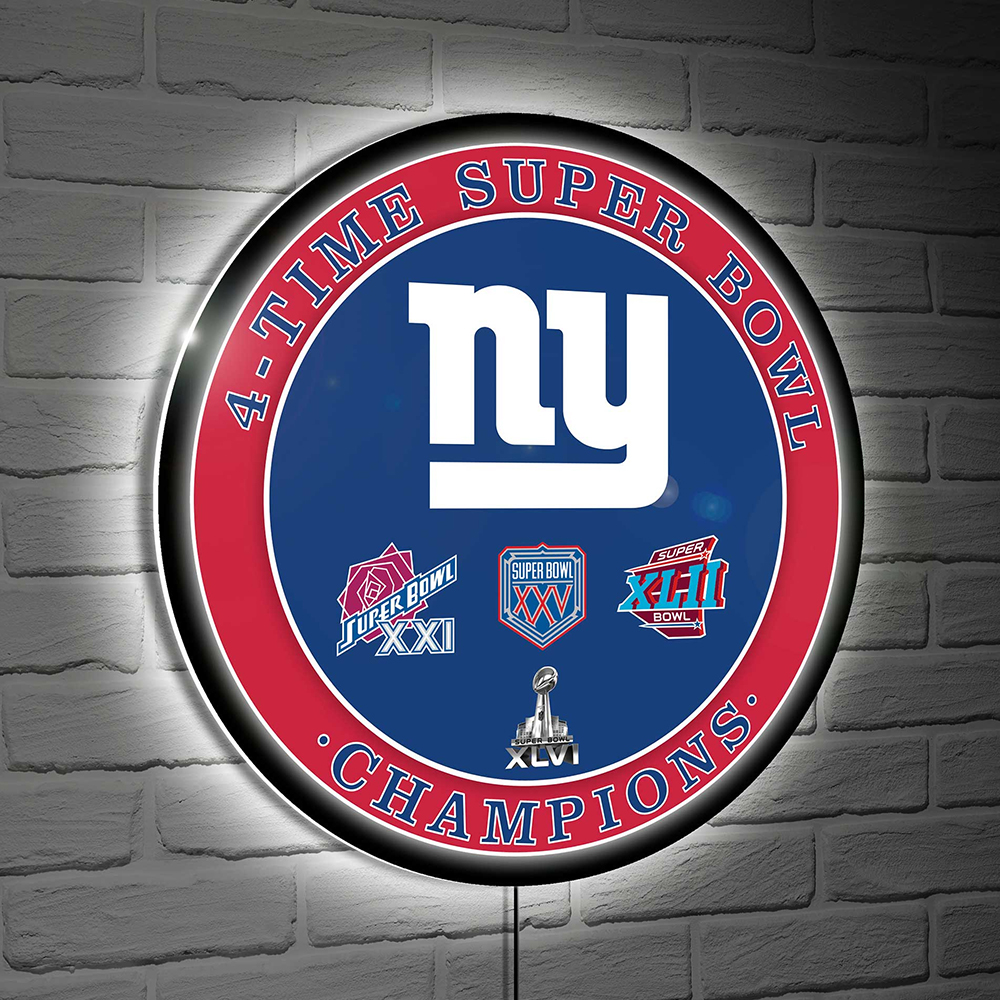
Transitioning from traditional backlit signage represents a standard operational upgrade for modern businesses. Selecting the right configuration requires balancing upfront costs against long-term performance. You face fragmented specifications when choosing these displays. Buyers often risk investments in poorly built units. You might encounter uneven lighting, known as hotspots. Poor color rendering and high maintenance overhead also plague bad investments. We provide a standardized framework for evaluating these illumination systems. You will learn to shortlist and implement LED Light Boxes based on strict technical specifications. We examine commercial applications to guide your deployment strategy. You can evaluate hardware to secure reliable, high-quality visual results. Our comprehensive guide helps you navigate supplier claims safely. You will make confident, data-backed procurement decisions for your organization.
Primary Benefit: LED light boxes reduce energy consumption by up to 70% compared to fluorescent alternatives while offering superior lumen output and graphic vibrancy.
Type Selection: Choice of frame (SEG, Snap Frame, Magnetic) should be dictated by the frequency of graphic changeouts and desired visual aesthetic (frameless vs. framed).
Evaluation Core: Procurement decisions must prioritize Color Rendering Index (CRI), edge-lit vs. backlit technology, and compliance certifications (UL/CE).
Risk Mitigation: The most common point of failure is the power supply; validating driver quality and heat dissipation is critical for longevity.
We must examine why these displays dominate modern commercial environments. Upgrading delivers measurable returns across multiple business divisions. You gain significant advantages over outdated fluorescent systems.
Lower wattage requirements translate to immediate utility reductions. They benefit always-on retail or airport environments greatly. Traditional fluorescent tubes consume massive amounts of power. Upgraded solid-state systems drastically cut this energy demand. You see lower monthly energy bills immediately. Operating costs drop significantly over a standard five-year cycle. This efficiency supports corporate sustainability goals effectively.
Consistent light distribution eliminates unsightly shadowing. Brands demand high-fidelity graphic reproduction. Precision lighting ensures strict brand compliance across all locations. Colors pop vibrantly across the entire display surface. High contrast ratios grab consumer attention quickly. Your promotional graphics look professional and engaging. Poorly lit signs actively damage brand perception. We recommend prioritizing uniform illumination for all customer-facing signage.
Solid-state technology minimizes maintenance cycles significantly. You eliminate frequent tube replacements completely. Ballast repairs become a thing of the past. Facility managers save countless hours on routine upkeep. The internal components handle minor impacts better than fragile glass tubes. Displays remain operational longer under harsh commercial conditions. Fewer service calls mean less disruption to your daily operations. You maintain a pristine brand image consistently.
Ultra-thin profiles allow integration into tight architectural spaces. Older signage simply cannot fit these narrow gaps. You can mount displays flush against structural columns. They seamlessly blend into modern commercial interior designs. Architects often specify slim units for minimalist environments. You maximize floor space without sacrificing visual impact. Designers appreciate the flexible sizing options available today.
Manufacturers engineer different frames for specific commercial environments. You must match the structural design to your operational needs. We break down the most popular choices below.
We frequently recommend Silicone Edge Graphic solutions. You press the fabric directly into a dedicated aluminum channel. This creates a smooth, frameless appearance. They work perfectly in glare-free environments. The tensioned fabric absorbs ambient light beautifully. You can order massive, seamless graphics for large walls. Shipping folded fabric costs much less than rigid panels. Store associates can swap these graphics in minutes.
Snap frames utilize spring-loaded edges. You simply flip the four sides open manually. This allows rapid, tool-less graphic changes by floor staff. Retailers love them for fast-paced promotional cycles. They hold rigid or semi-rigid graphic films securely. The visible aluminum border protects the graphic edges. We suggest these for high-traffic corridors. They withstand frequent handling remarkably well.
These units feature a clear magnetic cover. You peel it back to insert the graphic safely. They suit high-end retail and upscale restaurant menus perfectly. The design supports ultra-thin wall-mounted applications. It provides a sleek, modern aesthetic. The clear acrylic front protects the internal print from tampering. You can wipe the flat surface clean easily. They look elegant in premium commercial spaces.
Some environments require bidirectional visibility. Freestanding structural displays serve this exact purpose. You see them often in trade shows and airport concourses. Window storefronts use them to target both indoor and outdoor foot traffic. Heavy steel base plates keep them stable. You can order them with hidden caster wheels for mobility. They serve as powerful standalone architectural elements.
Various industries leverage these illuminated structures differently. We highlight the most common commercial deployments below to inspire your spatial planning.
Retailers use illuminated displays to highlight specific product lines. The bright visuals drive foot traffic toward promotional zones. You can enhance window displays to capture street-level attention. Cosmetics and fashion brands rely on accurate color rendering here. Shoppers notice bright, crisp imagery immediately. You can update seasonal campaigns rapidly. They create immersive shopping experiences effectively.
Large office buildings require clear navigation aids. Illuminated directories help visitors find their destinations quickly. Corporate campuses use them for branding in main lobbies. They provide excellent directional signage in low-light environments. Modern hospitals rely on them to guide patients safely. The crisp text remains readable from long distances. They elevate the perceived value of any facility.
Exhibitors need lightweight, impactful booth structures. Modular SEG systems meet these requirements perfectly. They maximize booth visibility without exceeding strict weight limits. You assemble the aluminum extrusions on-site quickly. The fabric graphics stretch tightly across the frames. Exhibitors save thousands on shipping and drayage fees. The massive illuminated walls attract attendees from across the hall.
Transit authorities deploy weather-rated enclosures widely. You spot them in airports, bus shelters, and subway stations. They withstand heavy public use and potential vandalism. Outdoor units feature specialized waterproofing seals. They operate flawlessly in extreme temperature fluctuations. Advertisers pay premium rates for these highly visible spots. The bright lighting ensures readability during night hours.
Buyers often confuse light panels with complete enclosed signs. You must understand the technical distinctions between them. This knowledge prevents costly procurement mistakes.
These panels consist of thin acrylic sheets. Manufacturers etch a grid pattern into the surface. The etching distributes edge-mounted light evenly across the face. They work best for custom architectural integrations. You might use them to retrofit existing unlit displays. They meet ultra-slim requirements easily, often measuring under one inch thick. They require external framing and separate power management.
These represent complete, ready-to-use housing systems. They include the external frame and the internal lighting array. You also get the front diffuser and an integrated power supply. They offer turnkey solutions for immediate commercial deployment. You simply mount them and insert your graphic media. They require no specialized millwork or complex assembly.
Choose raw panels when you design custom millwork. They integrate seamlessly into custom shelving or bespoke furniture. Choose complete enclosed units for standalone, ready-to-use signage. We always recommend turnkey solutions for standard retail rollouts.
Feature Category | Light Guide Panels (LGP) | Enclosed Housing Systems |
|---|---|---|
Core Components | Etched acrylic sheet, edge-mounted diodes | Frame, diffuser, lighting array, power supply |
Depth Profile | Ultra-thin (often under 1 inch) | Varies (1 inch to over 6 inches depending on type) |
Primary Application | Custom architectural millwork, retrofitting | Standalone retail signage, wayfinding, menus |
Installation Complexity | High (requires custom framing and wiring) | Low (turnkey, plug-and-play mounting) |
Procurement teams need a reliable evaluation checklist. We outline the critical hardware specifications below. You should verify these details before approving any purchase order.
Edge-lit models place diodes around the inner perimeter. The light shoots inward across a specialized diffuser panel. This allows for a much slimmer profile. Edge-lit units prove cost-effective for smaller display sizes. Backlit models place diodes directly behind the graphic. We consider direct backlighting necessary for large-format displays. It prevents the center of the image from looking dim. However, backlit units require a deeper structural frame.
Color temperature dictates the warmth or coolness of the light. We advise aiming for 5000K to 6500K. This range replicates natural daylight accurately. It keeps white backgrounds looking crisp and clean. The Color Rendering Index measures color accuracy. You should mandate a CRI above 80 for general use. Retail environments should demand a CRI above 90. This ensures accurate reproduction of your specific brand colors.
You must match the display brightness to ambient light levels. Low-light corridors require less intense illumination. Sunlit storefront windows demand high-brightness models. Measure brightness using lux or lumens. A washed-out sign in a bright window fails its purpose. Always request lux readings from the manufacturer before ordering. You want maximum contrast against the surrounding environment.
Commercial building codes mandate strict electrical safety standards. You must require UL, cUL, or CE-listed power supplies. Uncertified electrical components pose severe fire risks. City inspectors will flag non-compliant installations immediately. Compliance protects your facility and lowers liability risks. Never compromise on electrical safety certifications to save money.
Even premium hardware can fail if installed incorrectly. We detail common rollout pitfalls below. Proper planning prevents embarrassing visual failures.
Hotspots occur when you see visible light banding. This happens due to inadequate distance between the diodes and the graphic. The diffuser cannot scatter the light evenly. You must verify the depth-to-pitch ratio. This compares frame depth to the distance between LED chips. A deeper frame generally provides smoother light distribution. Always request a physical sample before approving large production runs.
Trapped heat degrades electronic lifespans rapidly. The diodes will dim and shift in color over time. You must ensure the aluminum extrusion frames feature adequate thermal management. Heavy-duty aluminum acts as a natural heat sink. It pulls heat away from the delicate internal components. Avoid poorly ventilated plastic housings entirely. They fail prematurely in commercial settings.
Large-format backlit displays weigh a considerable amount. You must validate the wall load-bearing capacity beforehand. Drywall alone cannot support massive structural frames. You need to anchor them directly into wall studs or concrete. Plan for localized hardwired electrical access early. Visible power cords ruin the sleek aesthetic. Coordinate with your electricians during the design phase.
Standard print media will appear completely washed out. The light passes straight through standard paper or cheap vinyl. Ensure your print vendors use the correct backlit film. For SEG frames, demand specialized tension fabric. Manufacturers design these materials specifically for light diffusion. They hold heavy ink loads to maintain rich colors. Investing in premium hardware requires investing in premium graphics.
Selecting the right illuminated display requires careful technical analysis. You must move beyond basic dimensional requirements. We urge you to evaluate lighting technology and frame usability. Environmental suitability plays a massive role in long-term operational success.
Audit your installation environment carefully. Measure ambient light levels and verify structural support. Determine the frequency of your graphic updates. Request product specifications detailing UL certification and lux output. Always verify the warranty terms before signing a supplier contract.
Request a custom quote from your chosen supplier today. Order a material sample to test the color rendering firsthand. You might also explore specialized LED Light Boxes designed for specific branding niches, such as thematic bar signs. Consult with an engineering specialist for large-scale national rollouts. Proper planning guarantees a flawless visual execution.
A: Commercial displays typically offer a 50,000 to 100,000-hour operational expectation. This translates to several years of continuous use. However, the internal driver often degrades before the diodes. You should plan to replace the power supply eventually. High-quality thermal management extends the overall lifespan significantly.
A: Yes, provided they feature the correct weatherproofing. You must source units with IP65 or IP67 ratings. These ratings ensure protection against dust and heavy water ingress. Outdoor installations also require GFCI outlets to meet safety codes. Always use specialized outdoor-rated graphic media to prevent UV fading.
A: Dye-sublimated tension fabric is highly durable. You can usually machine wash it on a gentle cycle using cold water. Hang the fabric to dry to prevent shrinking. For the hardware, gently dust the internal diodes with a dry microfiber cloth. Never use harsh liquid cleaners on the internal electronics.
A: Yes, many commercial units support dimming capabilities. You can integrate standard 0-10V dimmers easily. Advanced setups utilize DALI systems or smart controllers. These allow automatic ambient light adaptation. Dimming extends the component lifespan and saves energy during low-light hours. Always verify driver compatibility before attempting to dim a display.


