

close
Choose Your Site
Global
Social Media
Views: 0 Author: Site Editor Publish Time: 2026-10-15 Origin: Site


Commercial spaces are rapidly shifting away from purely functional lighting. They now favor immersive experiential design. However, high-impact aesthetics must also deliver measurable business value. Standing out in competitive hospitality and retail markets is difficult. It requires creating memorable, shareable environments. You must achieve this without introducing safety hazards into the building. Venues also cannot afford high maintenance burdens or brand inconsistency. Merely hanging a glowing sign is no longer enough to impress modern consumers.
Integrating custom illumination requires much more than simply picking a catchy phrase. It demands a highly strategic approach to material selection. Planners must evaluate spatial layouts and strict local compliance. Teams must evaluate how every element interacts with foot traffic. Design choices directly impact interior flows and digital marketing strategies. In this guide, you will discover how to evaluate different lighting technologies. You will also learn to choose optimal placement zones. We will show you how to navigate procurement to maximize your spatial transformation.
Purpose-Driven Placement: Strategic location of neon art (windows vs. interiors) directly influences foot traffic and user-generated content (social media ROI).
Material Evaluation: The choice between traditional glass neon and modern LED neon dictates upfront costs, maintenance overhead, and safety compliance in high-traffic zones.
Installation & Compliance: Commercial deployment requires adherence to local zoning laws, brightness regulations, and proper structural planning for safe installation.
Vendor Vetting: Reliable procurement relies on evaluating warranties, UL-certified components, and accurate pre-production mockups.
Illuminated signage acts as a tireless brand ambassador. It reinforces your unique brand voice visually around the clock. A retro diner requires a completely different aesthetic than a modern cyberpunk bar. A retro diner thrives on classic red and white glows. It evokes feelings of nostalgia and comfort. Conversely, a modern bar relies on stark blues and purples. It uses vivid colors to create a futuristic vibe. Customized commercial neon signs instantly communicate your distinct vibe to passersby. They set customer expectations before guests even walk through the door.
You should treat these aesthetic upgrades as a direct marketing investment. Predictable user-generated content generation happens easily. You simply pair striking signs with optimized background textures. If you provide perfect lighting, customers will snap photos. They eagerly share these images across their social media platforms. This organic reach creates a highly measurable marketing return on investment. The venue essentially transforms your patrons into active brand promoters.
Furthermore, atmospheric psychology plays a massive role in commercial spaces. You can use specific color temperatures to dictate customer behaviors. Cool, bright colors often encourage fast turnover in casual dining spots. They create a high-energy environment suitable for quick service. Conversely, warm, dim glows significantly increase customer dwell times. Upscale retail spaces and lounge areas benefit greatly from softer illumination. These strategic choices subtly guide the customer journey.
Choosing the right illumination technology is critical for your venue. You must carefully weigh aesthetics against practicality and safety. The industry primarily relies on two distinct manufacturing methods.
Traditional glass manufacturing offers an authentic, vintage aesthetic. These tubes deliver a true 360-degree gas glow. The light dispersion remains unmatched by modern alternatives. A well-crafted glass fixture boasts a tremendously long lifespan if left undisturbed. However, they are incredibly fragile. They contain easily breakable glass and potentially hazardous gases. They require high-voltage transformers to operate safely. Repairing a broken tube is an expensive, specialized process. They pose distinct safety risks in food preparation areas. High-contact bar zones should generally avoid exposed glass installations.
Modern LED alternatives provide a highly durable solution. Manufacturers build them using robust acrylic and flexible silicone extrusion. They operate on a safe, low-voltage system. These units are highly energy-efficient for continuous commercial use. They offer customizable RGB options for dynamic color changing. You can safely install them in close-proximity environments. However, poorly manufactured LED units can look flat. They lack the dimensional depth of traditional glass. You must carefully vet suppliers. This helps you avoid cheap, low-lumen consumer-grade imports. High-quality neon art mimics the classic look perfectly.
Decision Matrix: Glass vs. LED Technology
Feature | Traditional Glass | Modern LED |
|---|---|---|
Visual Appeal | Authentic 360-degree glow, warm vintage aesthetic | Bright, crisp, customizable RGB color options |
Durability | Highly fragile, prone to shattering upon impact | Shatterproof acrylic and flexible silicone construction |
Safety | High voltage, contains gases, not for touch-zones | Low voltage, no heat generation, safe to touch |
Maintenance | Requires specialized repair technicians | Virtually maintenance-free, simple part replacement |
Best For | Exterior rooflines, inaccessible architectural focal points | Interiors, selfie walls, low-hanging retail displays |
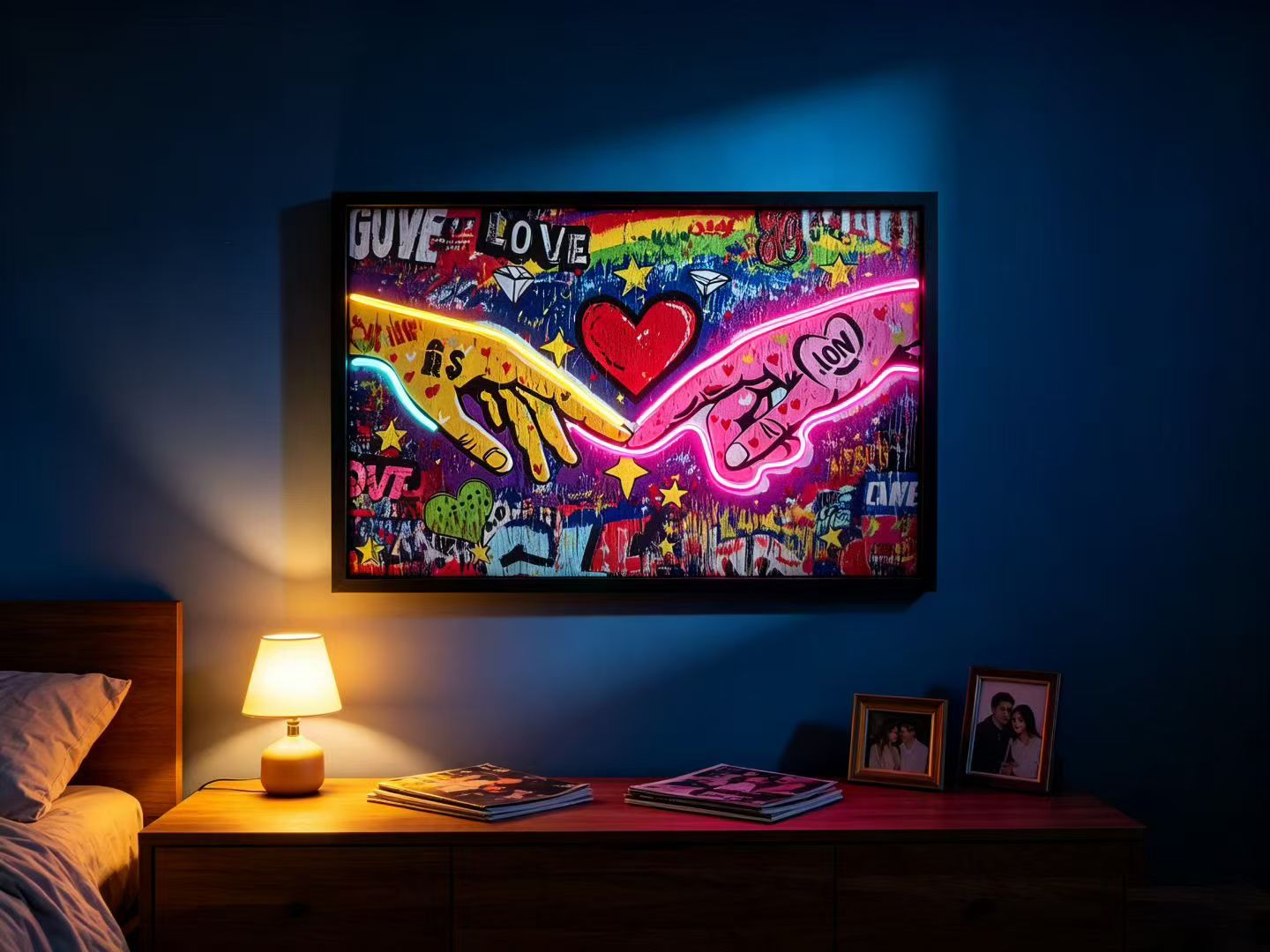
Capturing pedestrian attention remains the primary goal here. Effective displays drive consistent walk-ins from street traffic. Use high-contrast branding or highlight your primary service offerings. Storefront installations absolutely must compete with direct daylight. You must evaluate the lumen output carefully. A bright installation effortlessly outperforms traditional window graphics. Brightness ensures your message remains legible even at noon. Passersby notice glowing displays faster than printed posters.
Your main goal here is maximizing organic social sharing. Placement is crucial for user-generated content success. Install these pieces at eye level in high-dwell areas. Waiting areas and primary seating sections are excellent locations. Upscale restrooms are increasingly popular for selfie stations. Never place them directly opposite heavily glazed windows. This simple mistake causes terrible camera glare. Ruined photos mean fewer social media shares for your brand. Beautiful neon art requires a matte background to pop properly. Consider adding faux greenery or textured brick behind the sign.
You can easily improve customer flow without intrusive traditional signage. Wayfinding does not have to be boring or clinical. Use subtle illuminated elements to demarcate specific venue sections. They beautifully highlight VIP areas or bar ordering stations. Retail environments use them to guide shoppers toward fitting rooms. This tactic blends functional navigation seamlessly into your interior design. It reduces customer confusion during peak operating hours.
Navigating local zoning laws is a mandatory step. Exterior installations often require specific municipal permits. You must submit detailed elevation drawings to the city. These drawings show the exact sign dimensions and placement. You must always check local limits on maximum brightness. Many cities restrict outdoor illumination levels after midnight. Some historical districts prohibit flashing or chasing features entirely. Failing to secure permits leads to costly fines and removal. Always consult your local zoning board before purchasing exterior commercial neon signs.
Fire safety certifications are an absolute necessity for commercial venues. You must strictly demand UL-listed or CE-certified power supplies. Do not compromise on electrical safety components. This rule is particularly crucial in busy restaurant environments. Fire marshals routinely inspect these high-risk venues. Using uncertified transformers puts your entire business at severe risk. Insurance claims may be denied if uncertified components cause electrical fires.
Early planning for wiring and structural readiness is highly recommended. Your contractors must plan for hidden cable routing. Exposed wires instantly ruin the aesthetic of premium art. Ensure your team selects adequate backing panels. Clear acrylic offers a seamless floating effect. Routed wood provides a rustic, integrated appearance. You must also factor in load-bearing considerations. Heavy glass installations require reinforced wall blocking to prevent structural failure.
Best Practice: Always hire a licensed commercial electrician. They verify your circuit loads before final installation.
Best Practice: Request extra lengths of low-voltage cabling from your manufacturer. This provides flexibility during installation.
Common Mistake: Failing to leave accessible panels. Power supplies eventually need maintenance or replacement.
Common Mistake: Choosing glossy background paint. High-gloss finishes reflect the light bulbs and ruin the glow effect.
Reliable procurement separates a successful project from a costly disaster. Follow this structured approach to vet your suppliers properly. Commercial buyers cannot rely on consumer-level craft shops. You need partners who understand rigorous commercial demands. Professional vendors offer structured communication and clear deliverables.
Demand a Comprehensive Proof of Concept: You should always demand a digital mockup before paying. This document must outline exact dimensions and cut-paths. It should clearly show where the power cables exit the sign. This prevents nasty surprises during the installation phase. Accurate mockups ensure the final product fits your designated wall space perfectly. They help you visualize the neon art in its actual environment.
Establish Strict Warranty Expectations: Always evaluate standard commercial warranties carefully. You should expect a minimum of one to two years. This warranty must cover both the LEDs and the power supplies. Watch out for red flags in vendor service level agreements. Exclusions for continuous operation are a major warning sign. Commercial environments require lights that run twelve hours a day.
Clarify Realistic Turnaround Times: Set highly realistic project timelines from the start. Custom fabrication typically takes three to six weeks. This timeline starts from the final proof approval to delivery. Align these dates strictly with your grand openings. Renovation schedules easily fall behind due to shipping delays. Ask vendors about expedited shipping options for critical deadlines.
Illuminated decor serves as a highly effective tool for commercial spatial transformation. You must treat it as a strategic business asset rather than an afterthought. Beautiful illumination drives foot traffic and boosts brand awareness. It encourages customer engagement through organic social media sharing.
Always balance your aesthetic vision with strict safety and durability standards. Choosing the right material for your specific use case is vital. Interior touch-zones demand the safety of flexible LED options. Exterior rooflines might still benefit from traditional glass.
Start planning your venue upgrade today. Prompt your design team to request a commercial consultation. Submit your brand logo for an accurate custom quote. Download a B2B buyer’s guide for signage to educate your procurement team.
A: Commercial LED units typically last for 50,000 hours of continuous use. This translates to roughly five to six years of 24/7 operation. However, lifespan heavily depends on the power supply quality. Cheap transformers often fail long before the actual LED strips degrade.
A: Yes, modern LED options are extremely safe for crowded indoor environments. They operate on low-voltage currents and generate almost no heat. They do not shatter like high-voltage traditional glass tubes. This makes LED technology ideal for high-contact areas in bars and restaurants.
A: Yes, you can use custom units outdoors. However, LED versions must feature an IP67 waterproof rating. The power supplies must also be fully weather-sealed. Traditional glass requires specific protective housing to shield the fragile tubes from severe weather and debris.
A: LED versions are highly energy-efficient. They typically consume 70% to 80% less electricity than traditional glass tubes. A standard commercial LED installation might draw less power than a single incandescent light bulb. This operational cost saving makes LED ideal for commercial applications.


