

close
Choose Your Site
Global
Social Media
Views: 0 Author: Site Editor Publish Time: 2026-08-21 Origin: Site


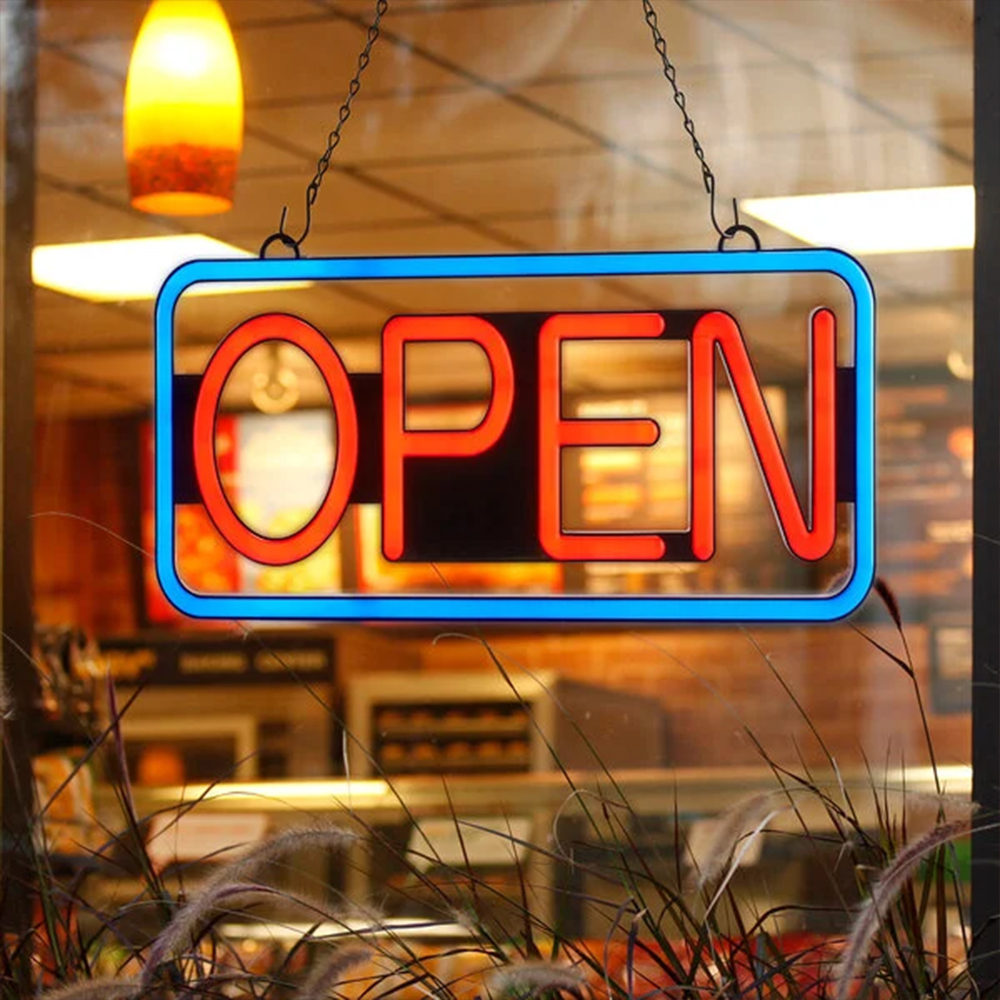
Illuminated decor transforms commercial spaces and residential interiors instantly. You want your brand or personal aesthetic to shine brilliantly from the moment you plug it in. However, jumping into a purchase without a clear plan often leads to disappointing results. A poorly specified neon sign results in unreadable messaging, harsh glare, or electrical maintenance headaches.
Our goal is to give you a definitive strategy. We want you transitioning from a vague design idea to a precise manufacturing specification based on placement, viewing distance, and intent. Recently, we have witnessed a massive shift in the lighting market. The dominance of LED flex neon over traditional glass changes how we approach design. It completely alters expectations regarding cost, safety, and customization options. In this guide, you will learn exactly how to navigate these options. We will show you how to calculate perfect sizing, select colors for maximum visibility, and plan for flawless hardware installation.
Material dictates maintenance: LED flex offers durability and low power consumption, while traditional glass provides authentic vintage aesthetics at a higher maintenance cost.
Size scales with distance: Proper sizing relies on a strict ratio between letter height and viewer distance, not just available wall space.
Color impacts conversion: For commercial use, color choice must balance brand compliance with visual contrast against the mounting surface.
Installation requires planning: Concealing power supplies, choosing the right acrylic backing, and verifying wall load limits are mandatory pre-purchase steps.
The first major decision in your purchase journey involves choosing the core illumination technology. Buyers must understand the stark differences between traditional glass tubing and modern LED alternatives. Your choice directly influences installation requirements, daily operations, and visual output.
Craftsmen create traditional neon by heating and bending delicate glass tubes. They fill these tubes with inert gases like neon or argon. The system requires high-voltage transformers to excite the gas and produce light. This classic method carries distinct advantages and significant drawbacks.
Best for: Authentic retro aesthetics, high-end art installations, and heritage branding.
Trade-offs: Fragile construction makes shipping and handling difficult. High-voltage transformers draw higher energy consumption. They contain inert gases under pressure. Breakages require expensive, professional maintenance from specialized artisans.
Modern manufacturers use flexible silicone or PVC tubing to house densely packed light-emitting diodes. These LED Neon Signs mimic the continuous glow of glass but operate on entirely different principles. They provide immense flexibility for everyday users.
Best for: High-traffic commercial areas, modern storefronts, live events, and residential decor.
Advantages: The silicone tubing is shatter-resistant. They remain cool to the touch even after hours of use. Operating on 12V or 24V DC power makes them incredibly energy-efficient. They are highly customizable and often ship with advanced dimming or RGB color-changing capabilities.
We recommend defaulting to LED technology for 90% of modern applications. LED flex provides peace of mind. It removes the hazards of fragile glass and high voltage. Choose traditional glass only if historical accuracy or a specific artistic provenance is absolutely required for your project.
Guessing the dimensions of your sign often leads to legibility issues. An oversized fixture overwhelms a small room. An undersized logo becomes invisible to passing street traffic. Proper sizing requires mathematical planning rather than visual guesswork.
Legibility strictly depends on how far the viewer stands from the light source. Industry standards use a reliable ratio to determine minimum letter heights.
Rule of thumb: Every 1 inch of letter height provides approximately 10 feet of readable distance.
Letter Height to Viewing Distance Matrix
Letter Height (Inches) | Maximum Readable Distance (Feet) | Ideal Application |
|---|---|---|
3 - 4 | 30 - 40 | Indoor cafe walls, residential bedrooms |
6 - 8 | 60 - 80 | Lobbies, small indoor event stages |
10 - 12 | 100 - 120 | Pedestrian-facing storefront windows |
15+ | 150+ | Highway-facing commercial exteriors |
Storefronts and open displays require larger, thicker fonts. You must optimize these designs for vehicular traffic or across-the-street pedestrians. A bold, block font reads much better from a moving car. Conversely, interior displays and cafe photo walls require smaller, tighter scripts. You optimize these for close-proximity viewing and selfie backdrops.
You must also balance the fixture against the physical mounting surface. Follow these steps to ensure perfect visual proportion:
Measure the total available width and height of your target wall.
Calculate the "Negative Space". A sign should typically occupy no more than 60-70% of the target wall area. This prevents a cluttered, cramped look.
Factor in the acrylic backboard footprint. Manufacturers cut the backing materials to extend 1-2 inches beyond the actual glowing tubing.
Use painters tape to outline this total footprint on your wall before ordering.
Color dictates the mood of your environment. It also plays a critical role in daytime visibility and brand recognition. You must choose between static hues and dynamic lighting technologies based on your specific use case.
Single-color units remain the industry standard for straightforward branding. They offer the highest brightness and visual consistency. We highly recommend them for static brand reinforcement. An illuminated logo should usually stick to its established corporate colors.
RGB color-changing units use advanced diodes to cycle through thousands of hues. They are best for versatile event spaces. Hospitality venues needing frequent mood adjustments also benefit greatly from RGB options. You can shift from a vibrant daytime pink to a moody evening blue using a remote.
Visibility depends on how well the illumination contrasts against the wall behind it. Do not select a color in isolation.
High-lumen colors: White, Yellow, and Ice Blue push the most light. They maximize daytime visibility in sunlit storefronts.
Deep colors: Red, Purple, and Deep Blue excel in low-light environments. They create rich atmospheres but may wash out completely in direct sunlight.
Implementation Check: Always evaluate the color against the specific mounting wall. A warm yellow pops beautifully against dark exposed brick. However, it might fade unpleasantly against a beige or white drywall surface.
LED flex tubing comes in two distinct styles regarding its outer silicone casing. You must understand this difference before finalizing your design.
Colored silicone jackets look colorful even when the power is off. If you buy a red sign with a red jacket, the tubing remains bright red during the day. White jackets, however, only show their true color when illuminated. When powered down, a white-jacketed pink sign simply looks like white tubing. Choose colored jackets if you want the artwork to function as daytime wall art.
The environment where you install the unit dictates its technical specifications. A Neon Sign built for a cozy living room will fail in a harsh outdoor retail environment. Assess your specific sector requirements early in the process.
Commercial buyers face strict operational constraints. You must prioritize durability and legal compliance over pure aesthetics.
Compliance & Zoning: Verify your local municipal codes regarding outdoor illuminated signage. Many districts enforce strict brightness limits. They may also ban flashing or strobing capabilities near busy roads.
Foot Traffic & ROI: Position functional displays at optimal sightlines. Place "Open" or "Order Here" messaging directly at eye level to drive physical conversions. An obscured message wastes your investment.
Durability: Exterior applications face rain, snow, and UV degradation. You must require IP67 waterproofing ratings for any outdoor installation. This seals the diodes and connections against moisture intrusion.
Homeowners prioritize comfort, safety, and seamless integration into existing decor. You want an inviting glow, not a blinding commercial beacon.
Ambiance Control: Dimmers are absolutely non-negotiable for bedrooms, living areas, or home theaters. High-output LEDs will cause eye strain in a dark room if left at 100% brightness.
Cable Management: Pre-plan your power cord routing. Nothing ruins the sleek look of modern decor faster than unsightly hanging wires. Plan to route cables through walls or use paintable cord concealers.
Even the most beautiful design falls flat if installed poorly. The structural backing and the power supply unit require careful logistical planning. Do not treat installation hardware as an afterthought.
The diodes need a rigid surface for mounting. Manufacturers use thick, clear acrylic backboards to provide this structure. You generally have two styling options.
Cut-to-shape backings follow the exact contours of the text or logo. This minimizes the visible acrylic. It is best for a clean, floating look on the wall. Full Board backings use a simple square or rectangular sheet. This style is best for complex designs featuring multiple disconnected elements. It provides maximum structural rigidity.
You must also decide between stand-off mounts and flush mounts. Stand-offs push the acrylic an inch away from the wall. This creates a premium 3D halo effect behind the light. However, stand-offs require drilling precise anchor points into your drywall. Flush mounts sit flat against the surface and are often easier to hang.
LED setups require specific electrical parameters. Verify the proximity to a standard electrical outlet before choosing your mounting wall. Most modern units require a bulky AC/DC power adapter. This black brick converts your standard wall AC voltage into safe 12V or 24V DC power. You need a creative way to hide this adapter behind furniture or dropped ceilings.
Trust/Safety Marker: Electrical safety is paramount. Ensure the power supply is UL-listed or CE-certified. This verification mitigates fire risks and guarantees the internal components meet rigorous safety standards. Never compromise on power supply quality to save a few dollars.
Procuring the perfect illuminated decor requires methodical planning rather than impulsive buying. You must balance technological capabilities against your specific environmental needs. Always follow a strict final procurement checklist before completing your order.
First, verify the indoor/outdoor rating to ensure long-term durability. Next, calculate exact dimensions based on your anticipated viewing distance using the 1-to-10 ratio. Select the appropriate backboard style to match your aesthetic goals. Finally, ensure a high-quality dimmer is included in your package.
We strongly recommend taking action today. Measure your target space carefully. Take a reference photo of the wall during normal lighting conditions. Consult a manufacturer's design mockup and overlay it onto your photo. This diligent preparation guarantees your final piece will perfectly elevate your space.
A: High-quality LED flex units typically boast a lifespan of about 50,000 hours of continuous use. In practical terms, this equals roughly 5 to 6 years of 24/7 operation. However, the external AC/DC power supply degrades much faster than the diodes. You will likely need to replace the power adapter before the actual lights fail.
A: Yes, the thermal realities of LED technology allow for constant operation. They emit negligible heat, making continuous use generally safe. However, running them constantly speeds up diode degradation and shortens the overall lifespan. We highly recommend using automated timers or smart plugs to give the components a rest.
A: Modern LED options are exceptionally safe for indoor use. Unlike traditional glass, they do not use high-voltage transformers or fragile tubing. They operate on low-voltage 12V or 24V DC power. They remain completely cool to the touch, eliminating burn risks for children or pets.
A: Always power off and unplug the unit before cleaning. Use a dry, clean microfiber cloth to gently wipe away surface dust from the silicone and acrylic. For tight crevices, use a can of compressed air. Never use harsh chemical solvents like window cleaners, as they will permanently cloud or crack the acrylic backboard.


