

close
Choose Your Site
Global
Social Media
Views: 0 Author: Site Editor Publish Time: 2026-10-04 Origin: Site


Walking into a dimly lit venue, nothing commands attention quite like a vibrant, glowing aesthetic centerpiece. The modern market for customized signage is heavily saturated today. You will easily find countless low-budget dropshippers offering widely varying quality standards. A poorly constructed sign can quickly result in spotty lighting, unsightly acrylic yellowing, or even dangerous electrical hazards. Whether you are outfitting a busy commercial hospitality venue, upgrading a residential home bar, or investing in a highly photographed wedding asset, your sign must balance aesthetic impact with operational durability. Our guide provides a strict evaluation framework. We will help you navigate critical material differences, complex technical specifications, and necessary manufacturer vetting before committing to a custom build. You will learn exactly how to source a beautiful, long-lasting sign tailored to your specific environment.
LED neon flex has largely replaced traditional glass for custom bar signs due to superior safety, lower energy consumption, and impact resistance.
Environmental placement dictates technical specs; outdoor or high-humidity bar areas require minimum IP65 to IP67 waterproofing.
Premium aesthetics rely on the details: contour-cut acrylic backings, hidden wiring, and integrated dimming capabilities separate high-end signs from cheap alternatives.
Vendor trustworthiness should be verified through UL/CE certifications, transparent warranty terms (covering both the LED and power supply), and clear shipping insurance policies for fragile custom goods.
You must choose the right foundation material before finalizing any design. The signage industry has undergone a massive shift over the last decade. Historically, artisans bent heated glass tubes over open flames. They filled these fragile tubes with noble gases to create brilliant colors. Today, modern technology offers a safer, highly efficient alternative. You must understand both options to make an informed decision for your space.
Traditional glass provides an authentic vintage aesthetic. It emits light in a full 360-degree radius, creating a soft, ambient halo effect against the wall. A well-maintained glass sign boasts a long historical lifespan. Some vintage pieces still glow brightly after fifty years.
However, glass comes with significant drawbacks. It remains incredibly fragile. A single bump from an unruly patron can shatter the entire piece. These units require high-voltage transformers, leading to higher energy consumption. They also run hot to the touch, posing a burn risk in crowded areas. Furthermore, they are expensive to ship and notoriously difficult to repair. If a glass tube breaks, you must commission a specialist to bend a completely new section.
LED neon flex stands as the modern standard for neon bar signs. Manufacturers embed flexible LED strip lights inside a protective silicone or PVC jacket. This technology offers incredible durability. The tubing is shatterproof, making it ideal for high-traffic hospitality venues.
LED flex allows for cost-effective custom shaping. You can recreate intricate logos and modern fonts easily. The signs remain cool to the touch and operate on low voltage, usually 12V. This makes them highly energy efficient. On the downside, they can look somewhat synthetic up close if the manufacturer uses cheap tubing. The light emission is also directional, meaning it primarily shines forward rather than offering a true 360-degree glow.
For 95% of custom bar environments, commercial spaces, and events, LED flex remains the pragmatic choice. It eliminates safety liabilities while driving down energy costs. You should reserve glass for highly controlled, nostalgic installations where budget, maintenance, and energy efficiency are secondary concerns.
Comparison of Signage Material Foundations
Feature | Traditional Glass | LED Neon Flex |
|---|---|---|
Durability | Highly fragile; shatters easily on impact. | Shatterproof; withstands bumps and drops. |
Safety | Runs hot; requires high-voltage transformers. | Cool to the touch; low 12V operation. |
Energy Use | High consumption. | Highly efficient; uses minimal electricity. |
Maintenance | Expensive to repair; requires specialists. | Low maintenance; easily replaceable parts. |
A beautifully designed sign loses its impact if placed incorrectly. Proper placement requires exact measurements and a clear understanding of your environmental constraints. A common mistake is ordering a size based on intuition rather than physical space evaluation.
You must balance the visual weight of your neon bar signs against the surrounding wall.
Evaluate the wall space: Measure the exact height and width of your blank mounting area. Your sign should occupy roughly 50% to 70% of this blank space. Anything smaller looks swallowed by the wall. Anything larger feels overwhelmingly cluttered.
Calculate viewing distance: Consider where patrons will stand when viewing the display. Thicker tubing and larger lettering are strictly required if the sign needs to be legible from the street. Conversely, a residential home bar allows for smaller, intricate cursive fonts.
Assess background materials: Consider the texture behind the sign. A bright white brick wall reflects light differently than dark acoustic paneling.
Environmental conditions dictate your technical specifications. Standard indoor signs are highly susceptible to moisture. A single spilled drink or high ambient humidity can short-circuit an unprotected LED strip.
If you are ordering for an outdoor patio, a tropical wedding arch, or an open-air beachfront bar, you need specialized weatherproofing. Verify your chosen manufacturer explicitly uses IP67-rated waterproof LEDs. They must seal all end-caps completely. The AC power supply must also carry an outdoor weather-resistant rating. Never install an indoor-rated sign outside, even temporarily.
Custom illuminated signs require constant power. You must assess the distance from your intended mounting spot to the nearest electrical outlet. Do not ignore cable management during the planning phase. Most LED signs feature a clear power cable extending from the acrylic backing, which connects to a bulky AC adapter block.
Evaluate the visibility of these components. Can you hide the power cord behind a structural column? Will you need to drill a small hole in the drywall to run the wiring behind the scenes? Professional installations often hide the AC adapter inside a ceiling cavity or behind custom cabinetry to maintain a seamless look.
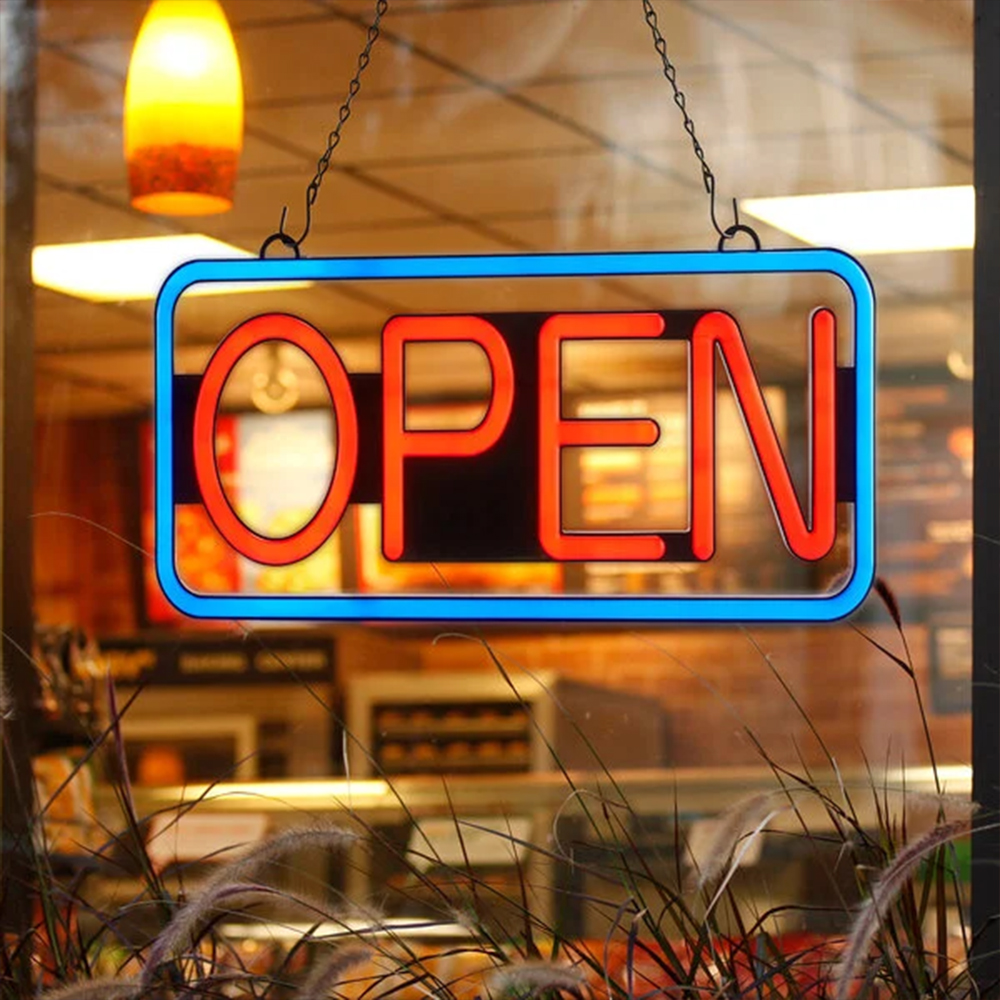
Not all LED signage is created equal. The physical materials used in the construction phase determine how your piece ages over time. You need to scrutinize the backing materials, tubing quality, and control mechanisms. These specific details separate premium custom neon bar signs from cheap, disposable alternatives.
The acrylic board holds the LED tubing in place. The cut style heavily influences the final aesthetic.
Square/Rectangle Cut: The manufacturer mounts the tubing onto a solid, unbroken square of acrylic. This is the cheapest method. Unfortunately, it often looks bulky and distinctly commercial.
Contour Cut (Cut-to-shape): This serves as the industry standard for a premium look. The manufacturer cuts the acrylic closely around the outline of the text or logo. It minimizes visible plastic and creates a refined silhouette.
Stand-Alone/Hollow Out: This represents the most expensive and visually striking option. The manufacturer removes almost all the acrylic between the letters. The letters appear to float independently on your wall.
Tubing material dictates longevity. High-quality manufacturers use pure silicone tubing. Silicone remains highly flexible, dissipates heat effectively, and resists UV degradation. Budget dropshippers use cheap PVC tubing to cut costs. PVC is prone to cracking. It also turns an ugly, brittle yellow after a few months of UV exposure.
You must also choose between colored jackets and white jackets. Colored jackets mean the tubing retains a physical pigment. The sign looks red, blue, or green even when switched off. White jackets mean the tubing appears milky white during the day. It only glows in color once you apply power.
A non-dimmable sign acts like a floodlight. It is often far too bright for evening ambiance. It will wash out the room and ruin the moody atmosphere of a speakeasy or home lounge.
You must ensure a dimmer and remote are included or integrated into your build. Dimming capabilities allow for precise mood adjustments throughout the evening. More importantly, dimming prevents harsh lens glare when patrons attempt to photograph the space. Smart controls connected to a mobile app offer even finer tuning for specific brightness percentages.
Custom illuminated decor requires a reasonable budget. Understanding how manufacturers calculate prices helps you avoid getting scammed. It also helps you justify the investment for commercial applications.
Price is rarely dictated by overall physical size alone. A massive, simple rectangle might cost less than a small, highly intricate crest. Manufacturers calculate the price based on the total length of LED tubing used and the complexity of the bends. Intricate logos, small stylized fonts, and multiple color changes require significantly more manual labor.
If you want to reduce costs without sacrificing quality, simplify your design. Choose a flowing cursive font rather than a block font. Block letters require dozens of sharp cuts and individual wiring connections. Cursive allows the builder to use a single, continuous strip of silicone.
In bars, restaurants, or wedding venues, these glowing installations function as user-generated content (UGC) engines. A clever phrase or beautifully designed logo naturally attracts smartphone cameras. Patrons love snapping photos in front of vibrant neon bar signs.
They post these images on social media platforms, tagging your venue's location. A well-designed, photogenic sign encourages this behavior continuously. This effectively subsidizes its initial cost through organic marketing. The physical piece becomes an active marketing asset rather than a passive decoration.
You might feel tempted to purchase the cheapest option available online. Resist this urge. Saving 20% on a budget manufacturer inevitably triggers the "cheap sign" tax. Budget builds use inferior diodes and low-grade PVC.
This often results in failing LEDs within 6 months. You might experience spotty illumination where sections of a letter go dark. Furthermore, cheap builders use incompatible or unregulated power supplies that run dangerously hot. You will receive zero post-purchase support. Ultimately, you end up buying a replacement unit a year later, spending more money overall.
You should never hand over a deposit based on a pretty website alone. You must vet the manufacturer rigorously. Treat this purchase as an architectural integration rather than a simple retail transaction. Look for explicit trust signals before ordering custom neon bar signs.
Safety and Compliance Certifications: Look for explicitly stated CE, RoHS, and UL certifications. These must cover the LEDs, the internal wiring, and the external power adapters. This is critical for passing commercial fire code compliance inspections.
Warranty Clarity: A trustworthy vendor stands behind their craftsmanship. They should offer a minimum 1-to-2-year warranty. Ensure the fine print states this covers the electrical components (LEDs and power supply), not just the physical acrylic structure.
Proof of Concept: Reputable companies do not guess. Do they offer free design mockups with exact dimensional measurements and pricing before requiring a deposit? You should demand a digital proof showing how the contour cuts will look.
Shipping and Transit Risks: Custom signs are inherently fragile during international transport. Verify that the vendor guarantees safe arrival. They must outline a clear, no-cost replacement policy for items damaged in transit.
Purchasing a customized glowing centerpiece serves as a direct investment in your space’s atmosphere and branding. Success requires looking past the initial flashy design mockup. You must scrutinize the physical materials, environmental ratings, and manufacturer credibility to ensure you receive a safe, premium product.
Begin your project by measuring your exact wall space using the 50% rule. Identify your nearest power source and plan your cable routing immediately. Finally, request technical digital mockups from at least two reputable suppliers. Compare their backing styles, tubing materials, and warranty terms side-by-side before making your ultimate decision.
A: High-quality LED flex signs are typically rated for 40,000 to 50,000 hours of continuous use (roughly 4–5 years if left on 24/7). With standard evening usage in a bar or home lounge, a well-built sign can easily last over a decade without dimming.
A: Most residential-sized signs come with pre-drilled holes and stand-off mounts, functioning much like hanging a heavy picture frame. You can install these easily with basic hand tools. Commercial installations, large multi-panel pieces, or hardwired electrical integrations require a licensed electrician.
A: No. LED flex technology is highly energy efficient. A standard medium-sized sign consumes roughly the same power as a single traditional 60-watt incandescent light bulb. They represent a very low-impact addition to your monthly utility bill.
A: Only in perfectly dry conditions. If there is any risk of rain, condensation, or high humidity, an indoor-rated sign can short-circuit. Always specify outdoor use during the ordering process to ensure the builder applies the necessary IP67 waterproofing.


